
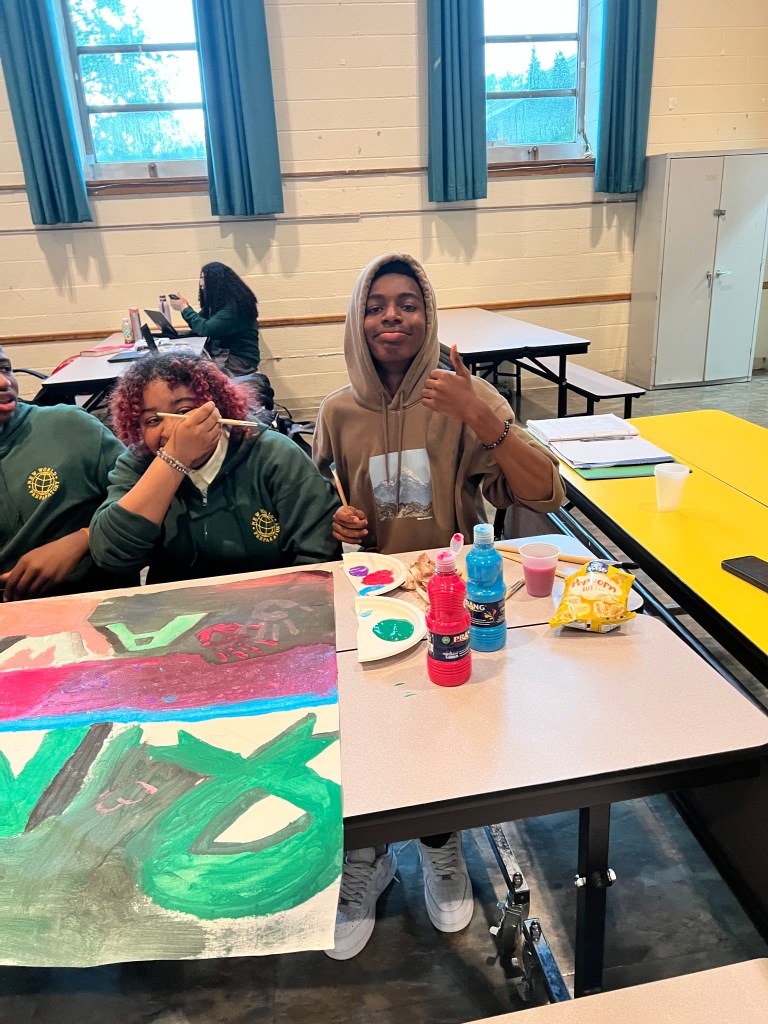
After-school programs have been a tool within communities to develop positive youth atmospheres, allowing a safe space where youth are able to explore their full potential. High-quality afterschool programs are able to provide a great amount of support in order for youth to improve their performance academically and socially.
With the support of the afterschool programs, youth can be emotionally, cognitively, behaviorally, and physically challenged in all ways to become better.
To gain the full experience, youth must have a daily routine and regular dosage of what each program has to offer. When it comes to the demographics of older youth, regular participants in afterschool programs have been known to reduce behavior issues and can gain knowledge on college and career-based opportunities. In a report from America After 3 PM, afterschool programming is in a demand, meaning for each youth enrolled there are three that are waiting to be able to get access to a program.
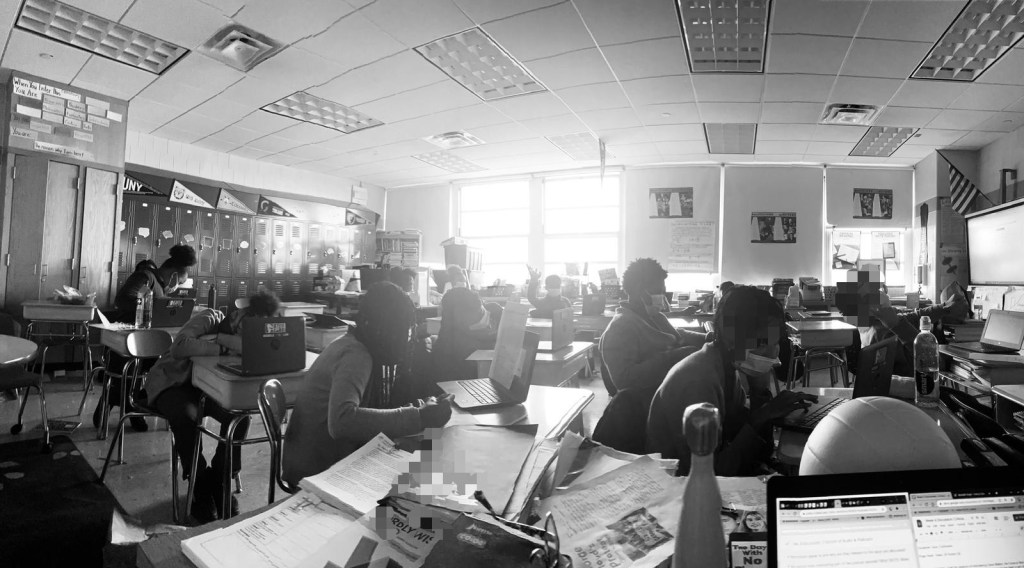
Research has shown that the barrier to access afterschool is the cause of cost, leaving 3 out 5 parents to label this the cause of the reason why they have not enrolled their child into the afterschool program. The lack of federal funding has been ongoing inflation, leaving the burden for funding on families, states, and communities.
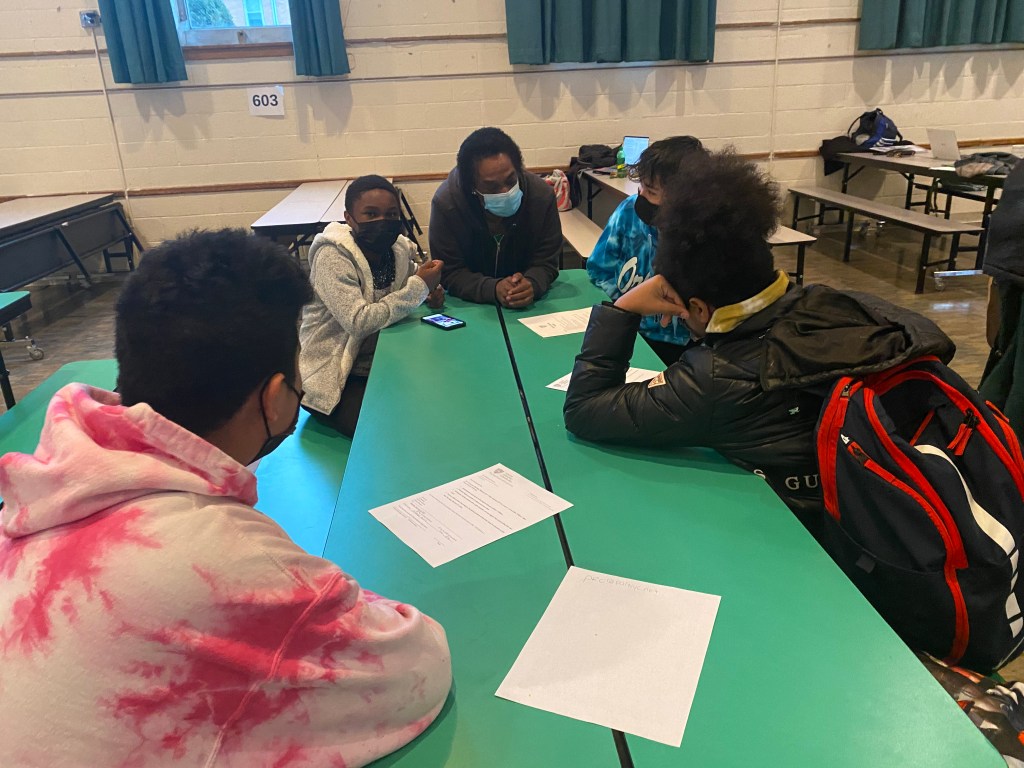
In a conversation with Coach Ann, a basketball coach and a youth development specialist, she explains her intake of afterschool programs “after school opens that circle up to let a kid become involved in other things, other cultures; dealing with foods, dress, speech. There’s a lot of different things that after-school programs can provide for a child that a daily going to school five days a week doesn’t provide because it’s regimen.”
The overall objective is to provide these skills by giving a wide variety of leadership opportunities that help youth have a voice. To know that they matter.
Education has taken a different approach when it comes to the importance of the fundamental development of youth and young adults.

High school can be a great obstacle for a young person, it is where most are forming their own identity and personalities. It can be a time of confusion, wanting to belong, and many questions about what is next after high school.
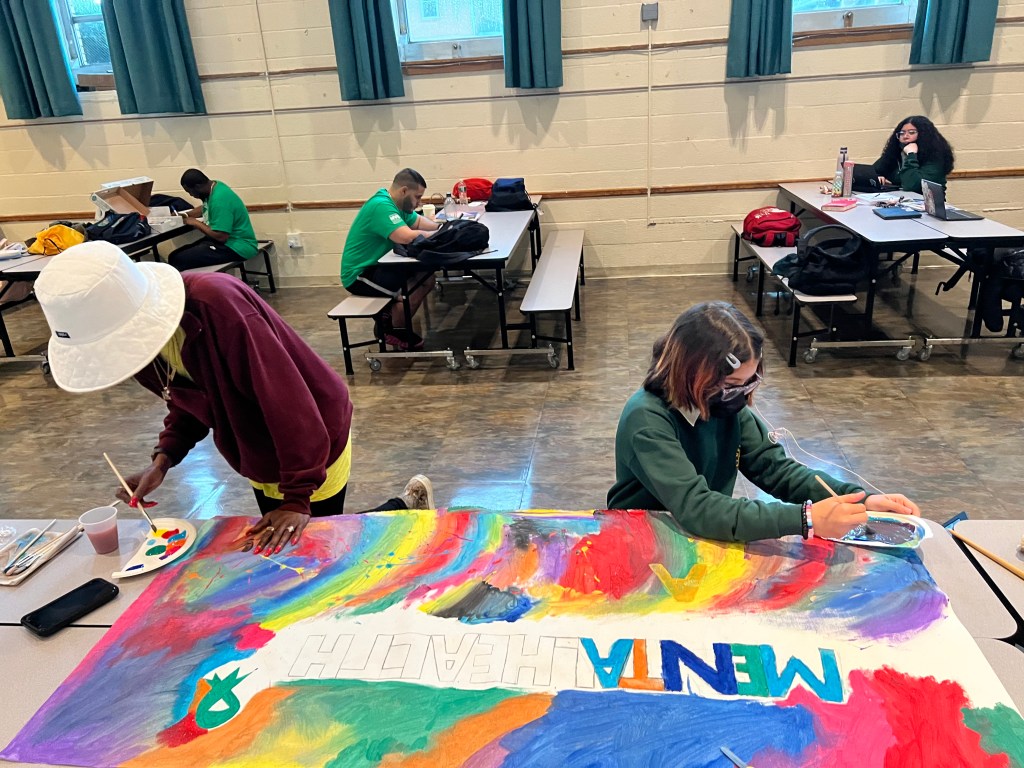
D. De Silva, a social worker here in New York City, gives insight into how a high school is a place for youth to discover themselves.
D. De Silva expressed, High School is where students are arriving at a place of discovery, and desire to explore all that awaits them in the world. They are in the final stage of their adolescent years before officially entering adulthood. Whether they decide to pursue higher education, employment, or self-reflection. It’s where those choices are presented more so than it was in middle school.
Although, high school is a place for discovery and to explore there is a disconnect that starts in High school students when it comes to education and its importance. Not only for their development educationally but mentally as well.
J. Hunter-Bass, a licensed counselor and guidance specialist, explains the disconnect in learning is developed long well before high school. Students and the relationships they build with teachers in elementary and middle school give them the idea of how “all” teachers will support and interact with them in the future. Meaning if youth came from a learning institution where they feel unwarned or cared for, the drive to learn or seek higher education is low to none.
The importance of research, education, and performing arts in youth and adults are becoming lost forms. Giving yourself or your youth the opportunity to broaden your mind is a gift but also an ability that should be molded and nourished. Allowing this gives you the ability to see the world from a border perspective.
Why do young adults and youth drop out once they get to high school?
Basketball coach, father, and sports specialist Mr. Malik; in an interview, he had this to say about after-school programs and his own personal experience as a father.
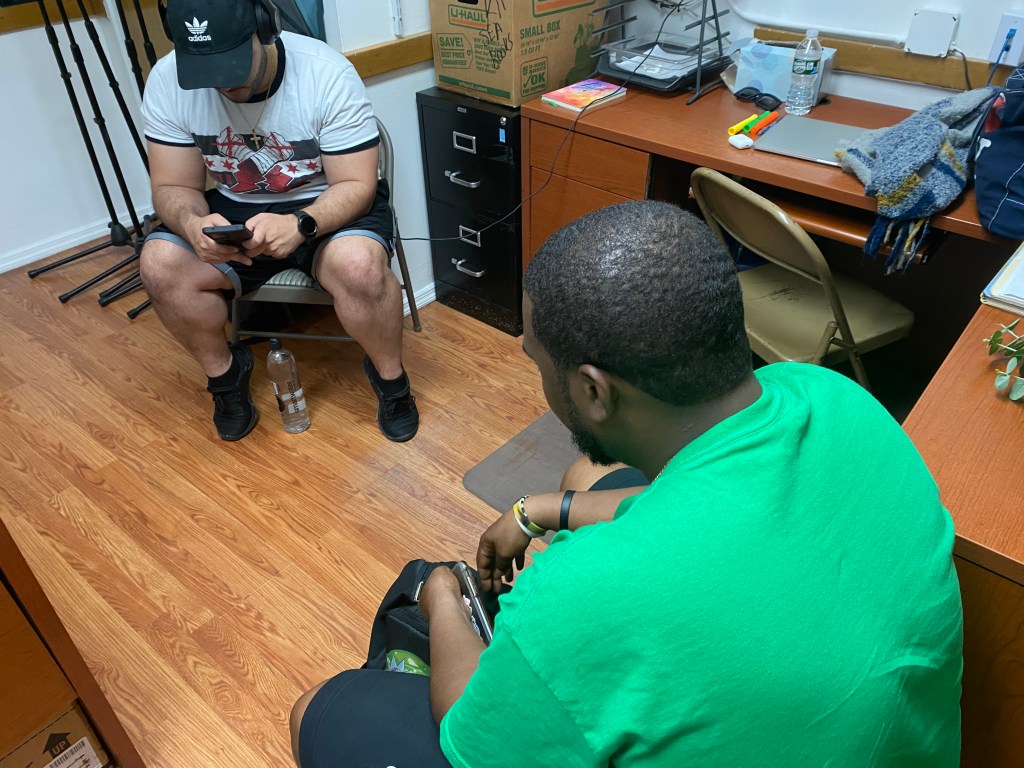
“Now that my son is in high school there aren’t after programs, that is dishearting as a kid because it causes them to follow negative outlets. I saw that as a father but as a coach and working in the education system I have seen how after-school programs have given children ways to connect and to have outlets like sports, being introduced to fundamental organizations, or just an open ear. Giving them that outlet I have seen how it can cause positive effects. it allows them to find a form of a disciple while learning themselves. While building lifelong relationships and connections.”
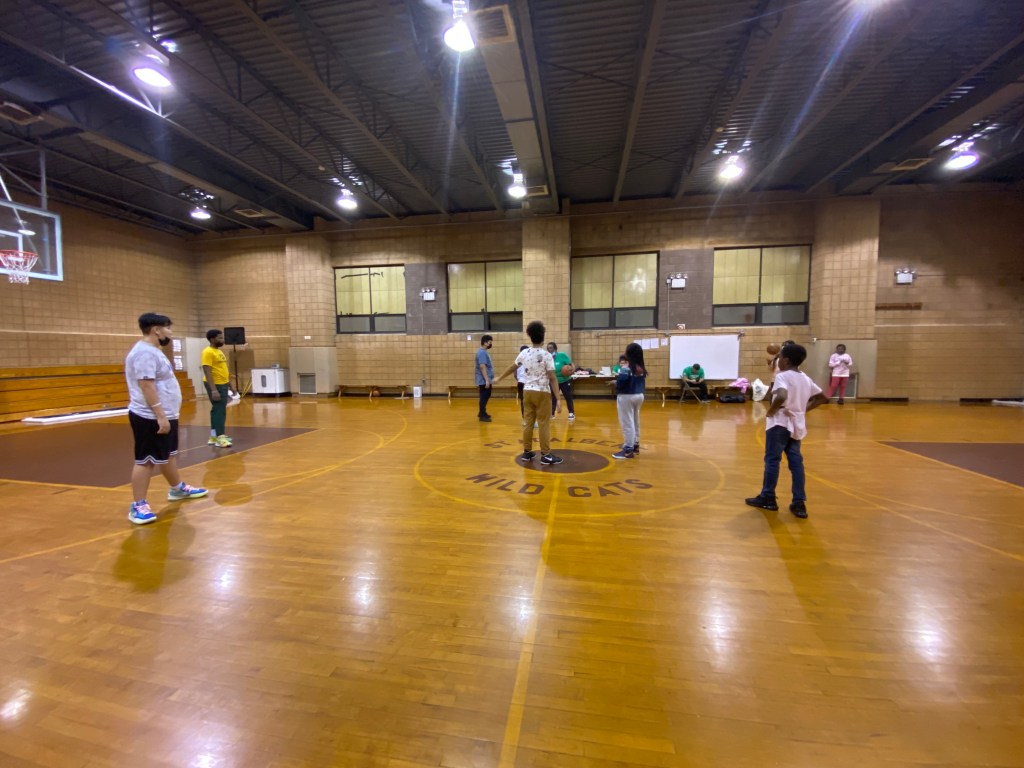
“For various reasons such as life stressors, lost interest in education, wanting to jump into adulthood, or being forced into adulthood earlier. Homelessness, mental health concerns, domestic violence, a victim of crime, street life, a traumatic change in the family structure, or lack of positive support in their life.” – D. De Silva
D. De Silva continues by saying, “Research, education, and the arts have a way of broadening a young person’s horizon; allowing them to see the world they know through a different lens. It exposes them to the possibilities life has to offer.”
J. Hunter-Bass, a licensed counselor and guidance specialist, her interview explained the issues youth and young adults are facing; “HIgh school gives students the opportunity for exposure to different experiences both in the classroom and interacting socially with their peers.”
“Students drop out because of the lack of support within large school communities if a student doesn’t reach out, they can fall between the cracks. Once they fall behind there is no motivation to continue and finish.”
The disconnect starts well before high school students and the relationships they build with teachers in elementary and middle school give them the idea of how “all” teachers will support and interact with them in the future.
Each of these aspects is equally important to the lives of youth and young adults.
With research, we learn from years past; what worked and didn’t work. Education and performing arts allow students to get in connection to all that they are to pursue the best parts of them.”
Here is our conversation below with Guerdley Cajus, she is a dance and educational instructor based in New York City, as well as the CoFounder of QueenMoves. In the conversation, we are targeting the issue of education, performing arts, and the importance of youth development.

It is said that nearly 1 in 5 students don’t have access to a school counselor, given the devastations and trauma, a student may experience. Although the school system is diverse it is still much so segregated when it comes to the needs of communities. Black students are said to be more likely than Caucasian students to identify with their school counselor as a person of influence when it comes to thinking about postsecondary education.
The influence is there to help support the social environment and welfare of a student. Understanding their behaviors in a more direct manner. With this, they are helping families, teachers, and school districts to address the issues that are affecting their emotional well-being academically as well.
In an interview with Alexis Charles, who has a Master’s in Social work and it is a social worker here in the New York City Department of Education. Here is what she had to say about the high school, performing arts, and more.
“High schools can be the stepping stone for young adults’ careers by providing the necessary resources and support. For example, students need exposure to different careers, guidance on how to achieve those careers, opportunities that will prepare them for those careers, and the finances necessary that will catapult them to those careers.”
“I feel young adults drop out once they get to high school level because they were not provided with the tools, skills, and support that are required for the high school level.”
“I feel there is a huge disconnect between the education system and the home environment. The education system does not provide sufficient support to meet students’ needs.”
“Also, their home environment may or may not be supportive enough emotionally/financially to satisfy students’ needs.”
“I feel like education, performing arts and research are extremely important in students’ lives. Performing arts provide a balance for students outside of education.”
“Education stimulates the mind to think in ways necessary to navigate through careers and life. Research provides feedback that can possibly lead to growth and improvement.”
The world is starting to get back to its normal, it is important that children and young adults have these outlets to help with the trying times we are in as a community. The effects of after-school can have effective roles in youth life Shemika Valentine, an ELA educator, and an artist; gives reasons why after school will always be a great force in youth and young adult lives.
 #TheDiaryOfAdulting
Leave a comment