

“Sexual assault doesn’t know any race, class or gender, but the way we respond to it does. We can see that in the case of R. Kelly. All his accusers are black girls, and he still has a prominent position in our community.” – Tarana Burke, Me Too founder
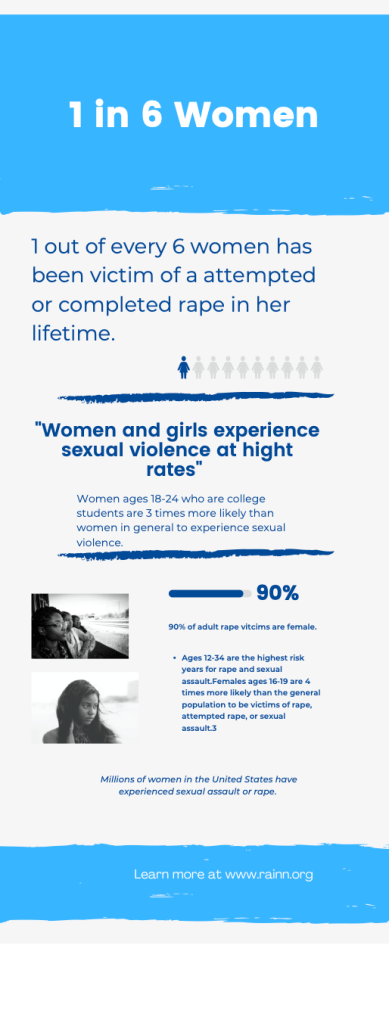
There has been reports of rape and sexual assaults in the work environment, education system, among communities, and etc, but when does this topic becoming an alarming issue? Why are women of color that are victims silenced from what they have experienced. Sexual assault is one of the largest nationally spoken topics even til today.
Why is it that R. Kelly, accused of peeing on a fifteen year old, gets a pass to sexual assault? Not only that, but the evidence was substantial. There was a physical tape, as well as women who came forward. However, the black community seems dismissive with these facts and still purchases his music.
Although R. Kelly is currently on trial for other sexual charges he is facing, it still does not deflect the negative backlash that women of color face from coming forward about there sexual assault.
ESSENCE’s former News and Culture Editor Christina Coleman expressed in a interview that she believes that the way the black community responds to sexual assault can endanger black women. It has become endangered because it does not always bring concern or awareness as it would a non-colored woman.
“I think it’s a cultural thing. For black people, we are taught at a really young age that we shouldn’t snitch, nobody wants to bbe a snitch,” she says.
In an interview with Teen Vogue, former Illinois State Representative, Litsea Wallace explained the culture of sexual harassment toward women in government.
Having been a State Representative for three years, and a legislative staffer for three years, Wallace has seen firsthand the pervasive culture of unchecked sexual harassment. It constrains and silences women, specifically women of color.
In 2014, Wallace remembered turning to a woman colleague after a man made an inappropriate comment in the legislature. She was told “That’s just how he is.”
Her colleague explained to her that in her past experiences, it has been better to ignore harassment than to confront it.
Sadly, these responses are from women of color. Sexism and racism can be destructive experiences towards women, this is a form of misogyny. Years of being silent about being assaulted, disrespected, and underrepresented; can be discouraging, painful, and dangerous especially when coming forward with your story. It can be more detrimental than helpful for women of color.
Many times it is said “men will be men,” or that “it wasn’t that serious.” It puts most in a position where they are expected to stay professional, but also have to be cautious to not be isolated with a male colleague at any time. Having to earn respect from a dominant culture can be hard, yes. But it is needed to effect constant change and awareness that is not within the black community, or people of color.
 #TheDiaryOfAdulting
Leave a comment